
- Mastectomy Ink
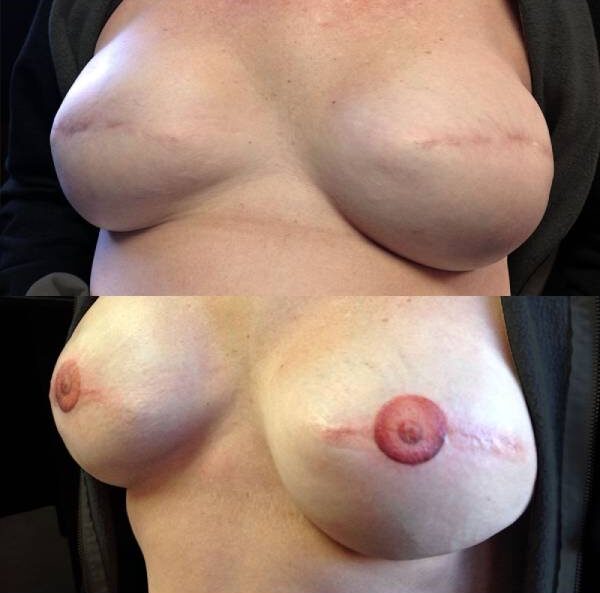

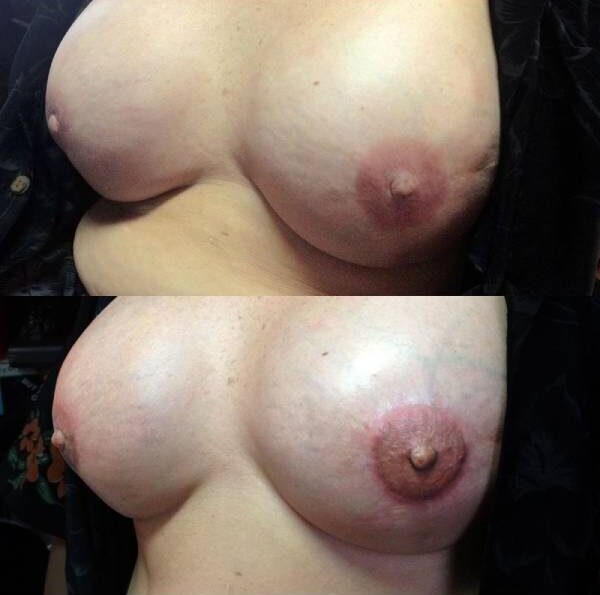

Mastectomy Ink Tattoo
Mastectomy & Areola Restoration Tattooing
Because Healing Comes in Many Forms.
More Than Ink. More Than Skin. A Personal Journey.
For many breast cancer survivors, the journey doesn’t end when treatment is over.
Surgery, reconstruction, and the physical changes that follow can leave lasting reminders of an incredibly difficult experience. Even after the body has healed, feeling comfortable and confident in your own skin can take time.
At Studio Tattoo Inc., we believe tattooing can be more than artistic expression. It can also be a meaningful part of someone’s personal journey after breast cancer.
Through realistic 3D areola restoration, post-mastectomy tattooing, and scar camouflage, we offer survivors the opportunity to explore what feeling more like themselves might look like.
We understand that every story is different. Some people want to recreate what was lost. Others want to transform their scars into artwork. And some simply want to learn what options are available.
There is no right or wrong choice. There is only what feels right for you.
What Is 3D Areola Restoration Tattooing?
One of the lesser-known options available after breast cancer surgery is realistic 3D nipple and areola restoration tattooing.
Using specialized tattoo techniques, carefully selected pigments, shading, and artistic detail, we can recreate the appearance of a natural nipple and areola on the skin.
Even when there is no physical nipple present, tattooing can create the visual illusion of dimension and depth.
Each restoration is individually designed, considering:
- Natural skin tone and pigmentation
- Breast shape and surgical reconstruction
- Existing scars and skin texture
- Color, size, and placement preferences
- Personal expectations and desired appearance
Our goal is not to create identical results for every client. It is to create thoughtful, realistic artwork suited to each person’s unique body.
Scar Camouflage & Decorative Mastectomy Tattoos
Not everyone wants to recreate the appearance of a nipple or areola.
For some survivors, scar camouflage may help soften the visual contrast between healed scars and surrounding skin. Results depend on the scar’s characteristics and how the skin accepts pigment.
For others, decorative tattooing offers an opportunity to transform an area affected by surgery into something personally meaningful.
Whether it’s delicate floral artwork, a symbolic design, or a completely custom piece, we work together to explore what’s appropriate for your skin and your vision.
Your scars are part of your story. What you choose to do with them is entirely yours.
What This Work Means to Us
There are moments in tattooing that remind us why we chose this profession.
Being trusted by someone who has experienced breast cancer is one of those moments.
We understand that by the time someone walks through our doors for mastectomy restoration, they may have already endured surgeries, treatments, physical changes, and emotional challenges that we cannot fully comprehend.
We don’t take that trust lightly.
For Anji, this work is about more than recreating the appearance of an areola. It’s about listening to someone’s story, understanding what they hope to achieve, and using years of artistic experience to help them take a step forward on their own terms.
Sometimes that means carefully matching natural colors. Sometimes it means spending extra time discussing expectations. And sometimes it simply means giving someone the space to feel heard.
There is something incredibly meaningful about knowing that artwork you’ve created may help another person feel more comfortable looking in the mirror.
We cannot change what someone has been through.
But if our work can help them feel a little more confident, a little more comfortable, or a little more like themselves, that is something we consider a tremendous privilege.
To every survivor who has trusted us with this deeply personal work: Thank you. Your trust means more than words can express.
What to Expect During Your Restoration Journey
1. A Private, Personal Consultation
Every restoration begins with a conversation.
We’ll discuss your goals, previous surgeries, skin condition, and the appearance you hope to achieve.
We encourage questions and believe you should never feel rushed or pressured into making a decision.
2. Designing Your Restoration
Together, we’ll discuss placement, shape, color, size, and realistic expectations.
For 3D areola restoration, careful shading and color choices help create the illusion of natural depth.
Our focus is on creating a result that complements your individual anatomy.
3. The Tattoo Appointment
Your comfort, dignity, and privacy matter.
We approach each appointment with patience and respect, recognizing that sensitivity and skin condition may differ following surgery and treatment.
The tattooing process is adapted to the individual and the condition of their skin.
4. Healing and Color Changes
Freshly completed areola tattoos often appear darker, brighter, or more intense than their final healed appearance.
As the skin heals, the color typically softens and settles.
For many people, approximately four weeks allows the initial healing process to progress enough to begin evaluating the color. Complete healing and pigment stabilization can take longer.
Healing varies significantly from person to person.
5. Touch-Ups and Final Results
Some restorations require an additional session to adjust color, shading, or detail.
This doesn’t necessarily mean something went wrong. Tattoo pigment can heal differently in surgical or reconstructed skin, and adjustments may be part of achieving the desired appearance.
Our goal is to create the best possible result while respecting your skin’s individual limitations.
Understanding Tattooing After Cancer Treatment
Skin that has undergone surgery, radiation, chemotherapy, or other medical treatments may respond differently to tattooing.
Scar tissue may hold pigment unevenly. Previously radiated skin may be more delicate, less elastic, or slower to heal.
These differences can affect color retention, healing time, and the final appearance.
No artist can guarantee exactly how treated or reconstructed skin will heal or retain pigment.
Before scheduling restoration tattooing, the surgical areas must be adequately healed, and medical clearance may be necessary from your treating healthcare professional.
We believe being transparent about these possibilities is an important part of caring for our clients.
Frequently Asked Questions
Does 3D areola tattooing create an actual nipple?
No. It creates the visual appearance of a nipple and areola using tattoo pigments, shading, and dimension. The skin remains physically flat unless a nipple has been surgically reconstructed.
How long after surgery can I have restoration tattooing?
Timing depends on your procedures, healing, and medical history. Many providers recommend waiting several months after the final surgery, but your surgeon or treating clinician should determine when the area is ready.
Does the procedure hurt?
Sensation varies. Some clients experience reduced sensation after surgery, while others have sensitive areas or scar tissue. We discuss comfort and individual concerns before beginning.
Will the color look natural immediately?
Fresh tattoos typically appear darker than the healed result. The color gradually softens as healing progresses.
Will I need a touch-up?
Possibly. Some people retain pigment evenly, while others need additional work. Previous treatments, scarring, and individual healing all influence the outcome.
Can you tattoo over surgical scars?
In some cases, yes. Scar maturity, texture, location, and skin condition determine whether tattooing is appropriate. Not every scar is suitable for tattooing or camouflage.
Can I have restoration tattooing years after my mastectomy?
Potentially, yes. Many people explore restoration long after their surgeries. The important considerations are the current condition of the skin and medical suitability.
What if I’m not sure what I want?
That’s completely okay. A consultation is simply an opportunity to learn, ask questions, and explore possibilities without any obligation to proceed.
Awareness Creates Possibilities
One of the reasons we’re passionate about sharing information about mastectomy restoration is that many survivors don’t know these services exist.
Someone may have completed treatment years ago without ever hearing about realistic areola restoration tattooing.
Someone else may be preparing for reconstruction and wondering what options could be available afterward.
And someone may simply be looking for a way to feel more comfortable with the changes their body has experienced.
You cannot explore an option you don’t know exists.
That’s why we encourage survivors, families, friends, medical professionals, and support organizations to help spread awareness.
Sometimes sharing information is the first step toward helping someone discover a possibility they didn’t know they had.
Let’s Start With a Conversation
If you’re considering areola restoration, scar camouflage, or decorative post-mastectomy tattooing, we welcome your questions.
You don’t need to know exactly what you want. You don’t need to have all the answers. And you don’t need to make a decision before reaching out.
We’re here to listen, explain the possibilities, and help you understand what may be appropriate for your individual circumstances.
Your journey is personal. Your choices should be, too.
With care and respect,
Anji
Studio Tattoo Inc.
Henderson, Nevada